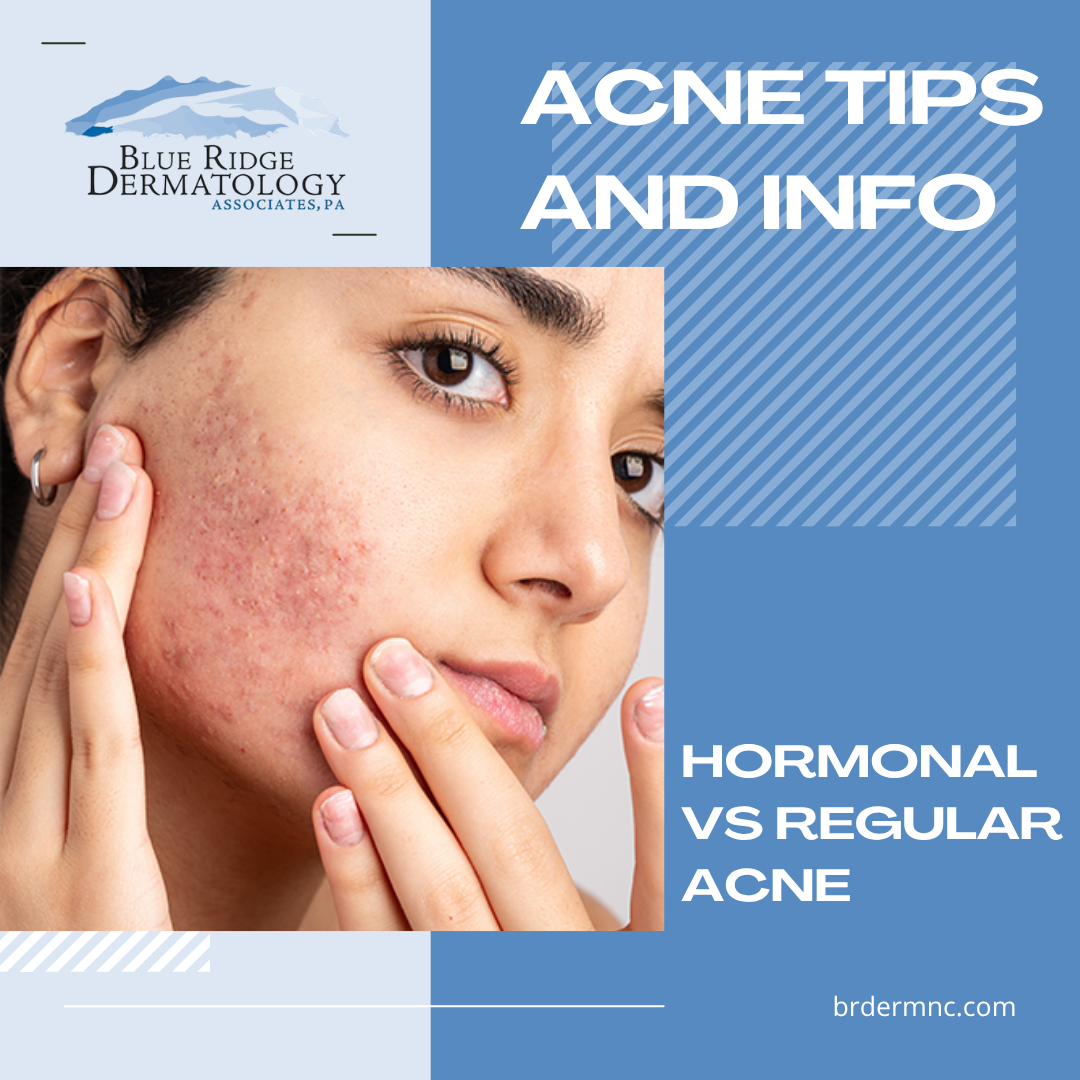
Acne is one of the most common skin conditions, but not all acne is created equal. While hormonal acne and regular acne can look similar at first glance, they often have different causes, locations, and treatment approaches.
Understanding which type of acne you’re dealing with can be the first step toward achieving clearer, healthier skin.
Hormonal Acne vs. Regular Acne
Although acne is incredibly common, that doesn’t make it any less frustrating. Deep, painful breakouts can affect confidence, cause discomfort, and be difficult to treat without the right approach.
Let’s take a closer look at how hormonal acne differs from regular acne.
Physical Characteristics
Hormonal Acne
Hormonal acne often appears as:
• Deep, painful cysts beneath the skin’s surface
• Tender, inflamed bumps that can linger for weeks
• Breakouts that may feel sore even before they become visible
Because hormonal acne develops deeper within the skin, it is often more difficult to treat with over-the-counter products alone.
Regular Acne
Regular acne is typically more surface-level and may include:
• Blackheads
• Whiteheads
• Papules and pustules
• Mild inflammation
These blemishes usually form closer to the skin’s surface and often respond well to topical treatments.
Where Does It Appear?
The location of your breakouts can provide important clues.
Hormonal Acne
Hormonal breakouts most commonly occur on:
• The lower cheeks
• Jawline
• Chin
• Neck
Many patients notice flare-ups around specific hormonal changes or life stages.
Regular Acne
Regular acne often develops in areas with higher oil production, including:
• Forehead
• Nose
• Upper cheeks
This region is commonly known as the “T-zone.”
What Causes Acne?
Hormonal Acne
Hormonal acne develops when changes in hormone levels affect the skin’s oil production.
Some of the hormones involved include:
• Testosterone and DHT
• Estrogen
• Progesterone
When hormone levels fluctuate, excess oil production can contribute to clogged pores and inflammation.
Regular Acne
Regular acne often occurs when pores become clogged with oil and dead skin cells. The bacteria Cutibacterium acnes can then become trapped inside these pores, leading to inflammation and breakouts.
Environmental factors can also play a role, including:
• Pollution
• Poor air quality
• Excess oil buildup
• Inconsistent skincare habits
Treatment Options
The good news? Both types of acne can be treated.
Hormonal Acne Treatments
Because hormonal acne is driven by internal factors, medical treatments are often the most effective option.
Your dermatologist may recommend:
• Spironolactone
• Certain oral contraceptives containing estrogen and drospirenone
• Prescription topical medications
• Personalized treatment plans based on your skin and medical history
Regular Acne Treatments
Regular acne often responds well to topical therapies, including:
• Benzoyl peroxide
• Retinoids such as tretinoin or adapalene
• Prescription acne medications
• Medical-grade skincare products
It’s important to note that while these treatments can help hormonal acne, hormonal breakouts are often more resistant and may require additional therapies.
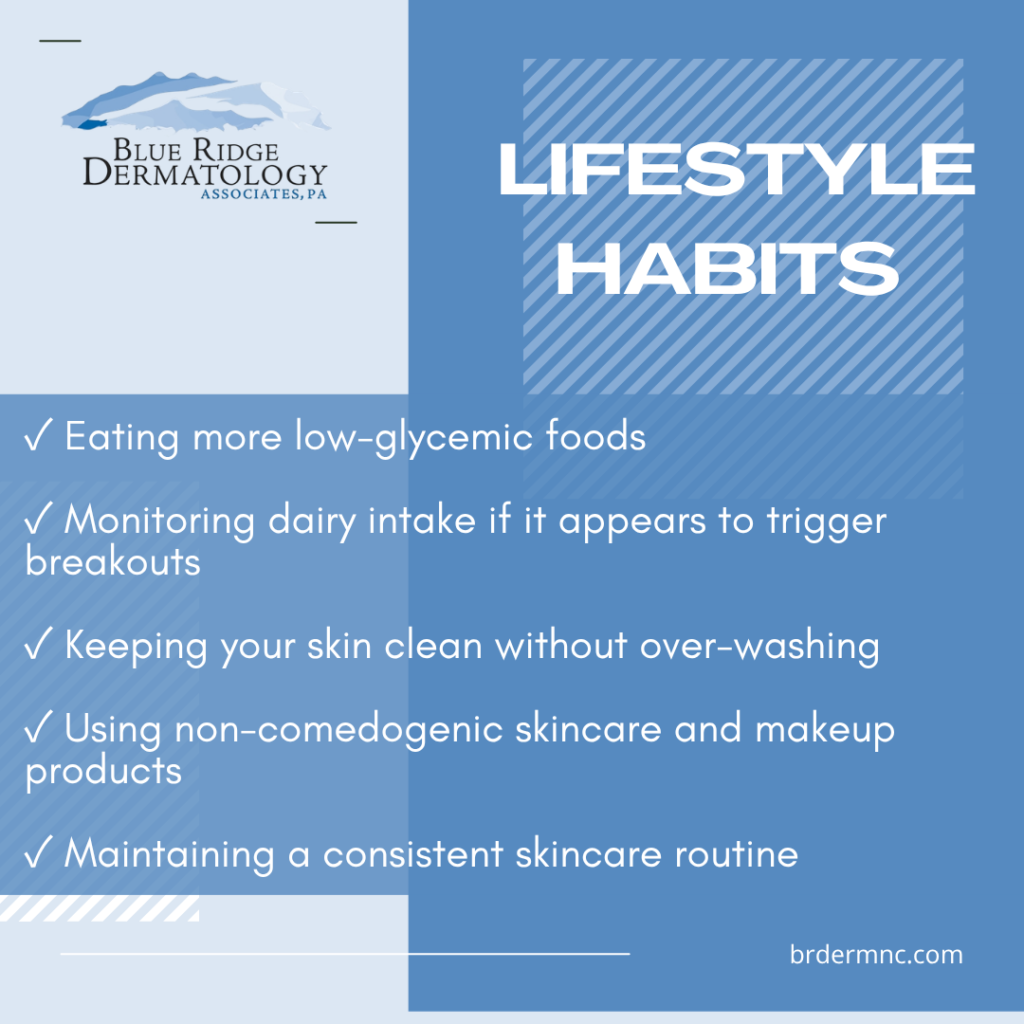
Lifestyle Habits That Can Help
While skincare products and medications are important, healthy lifestyle habits can support clearer skin.
Consider:
When Should You See a Dermatologist?
If your acne is painful, persistent, causing scarring, or not responding to over-the-counter products, it may be time to seek professional help.
At Blue Ridge Dermatology, our team can help determine whether you’re experiencing hormonal acne, regular acne, or a combination of both. We’ll work with you to create a personalized treatment plan designed for your unique skin concerns.
Ready to take the next step toward clearer skin?
Call our office today at 919-781-1050 to schedule an appointment and start building a skincare plan that works for you